
HRMS software for automotive plants and dealerships
An automotive business is two workforces under one brand: plants running shifts to a production schedule, and a dealer and service network selling and fixing what the plants make. Engage covers both, from line attendance and apprentice records to showroom incentives and field service visits.
Get Started Today
Trusted By 300+ Organisations































Automotive HR runs at line speed
When a line stops because a station is unmanned, the cost is counted in vehicles. Automotive HR is judged on whether the right people are in the right place on every shift.
Shift coverage by line
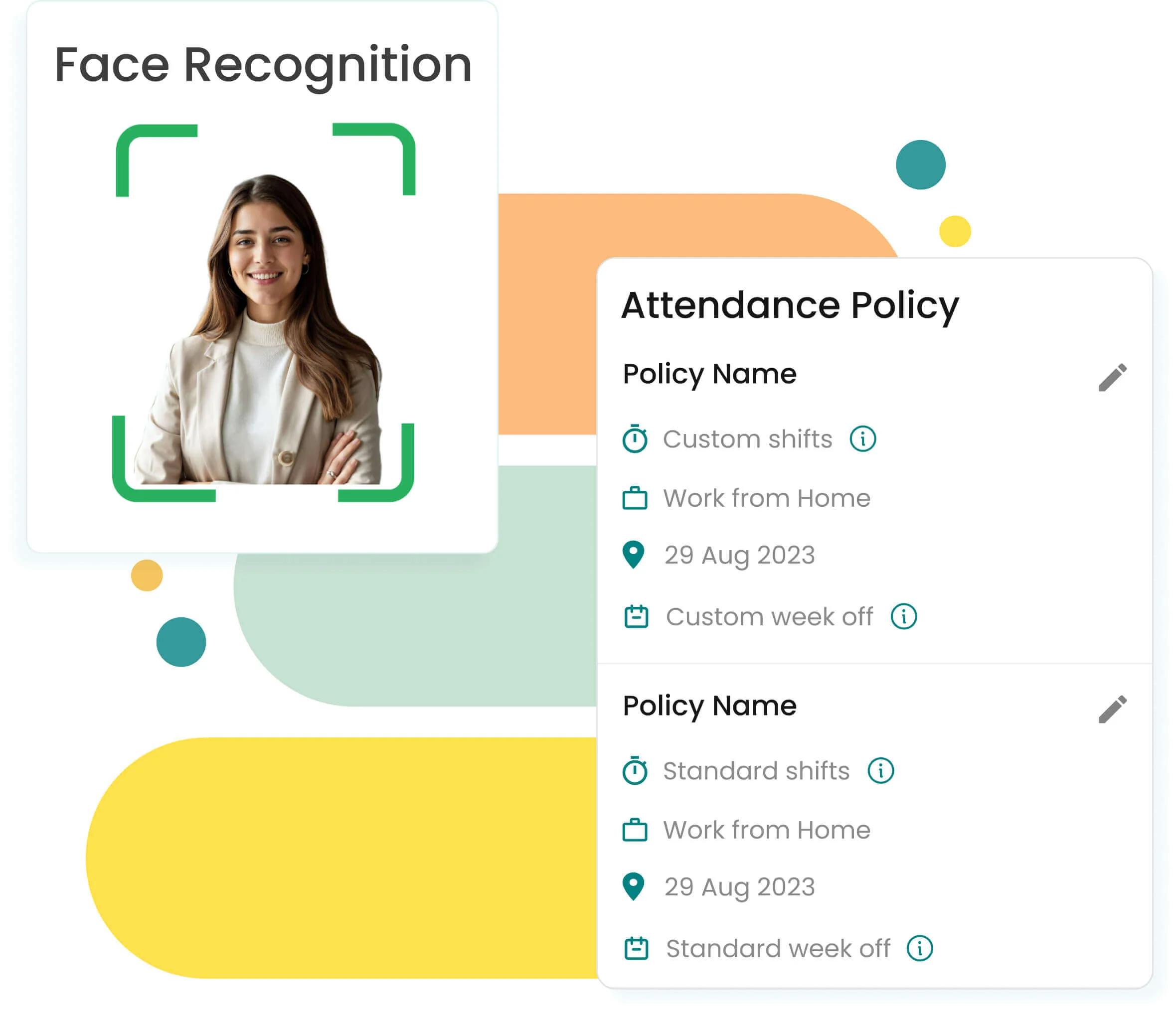
Rotating and fixed shifts assigned by line and department, attendance captured by biometric integration, face recognition or kiosk at the gate, and absences visible against the roster before the shift starts.
Apprentices, trainees and contract labour
Automotive plants run on a mix of permanent workers, apprentices under the Apprentices Act, fixed-term employees and contractors. Engage keeps each category on its own pay structure with its own rules, in the same attendance system.
Dealer and service networks
Showroom staff check in inside a geo-fence around the dealership, sales incentives run as their own payroll component, and service technicians on breakdown or doorstep calls are tracked with geo-verified visits.
Engage modules automotive teams use most
Plant supervisors and dealership managers approve on mobile. HR and payroll work from the web console.
Attendance and shifts
- Biometric and face recognition
- Kiosk mode at the plant gate
- Geo-fenced check-in for showrooms
Payroll
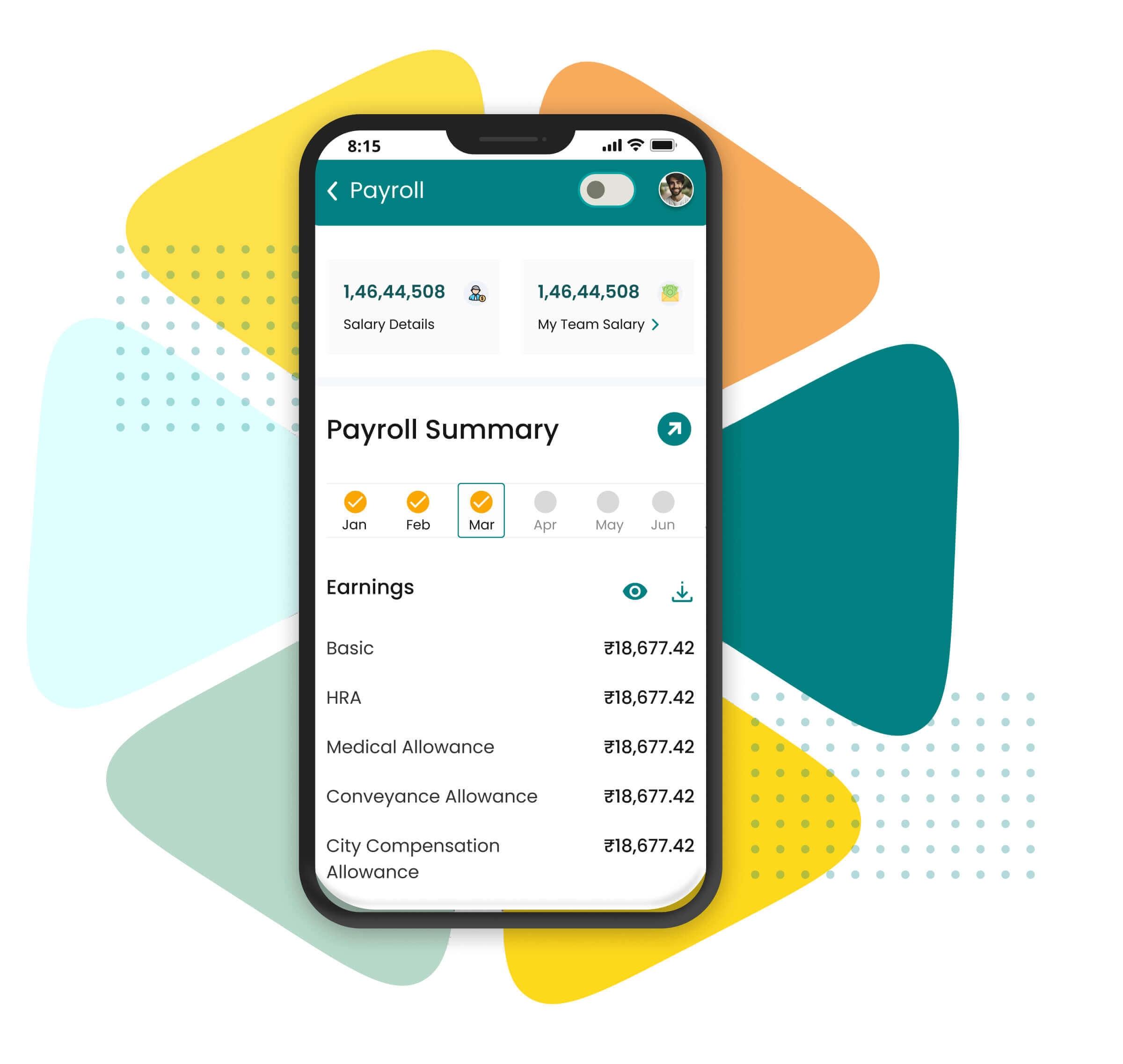
- Overtime and bonus in one run
- Apprentice stipends
- Dealership incentives and state-wise deductions
Field tracking
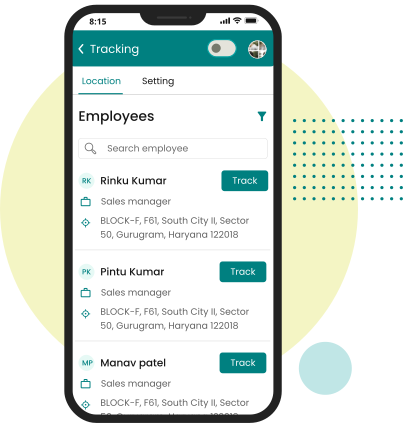
- Geo-verified visits
- Route history
- For service technicians and area sales managers
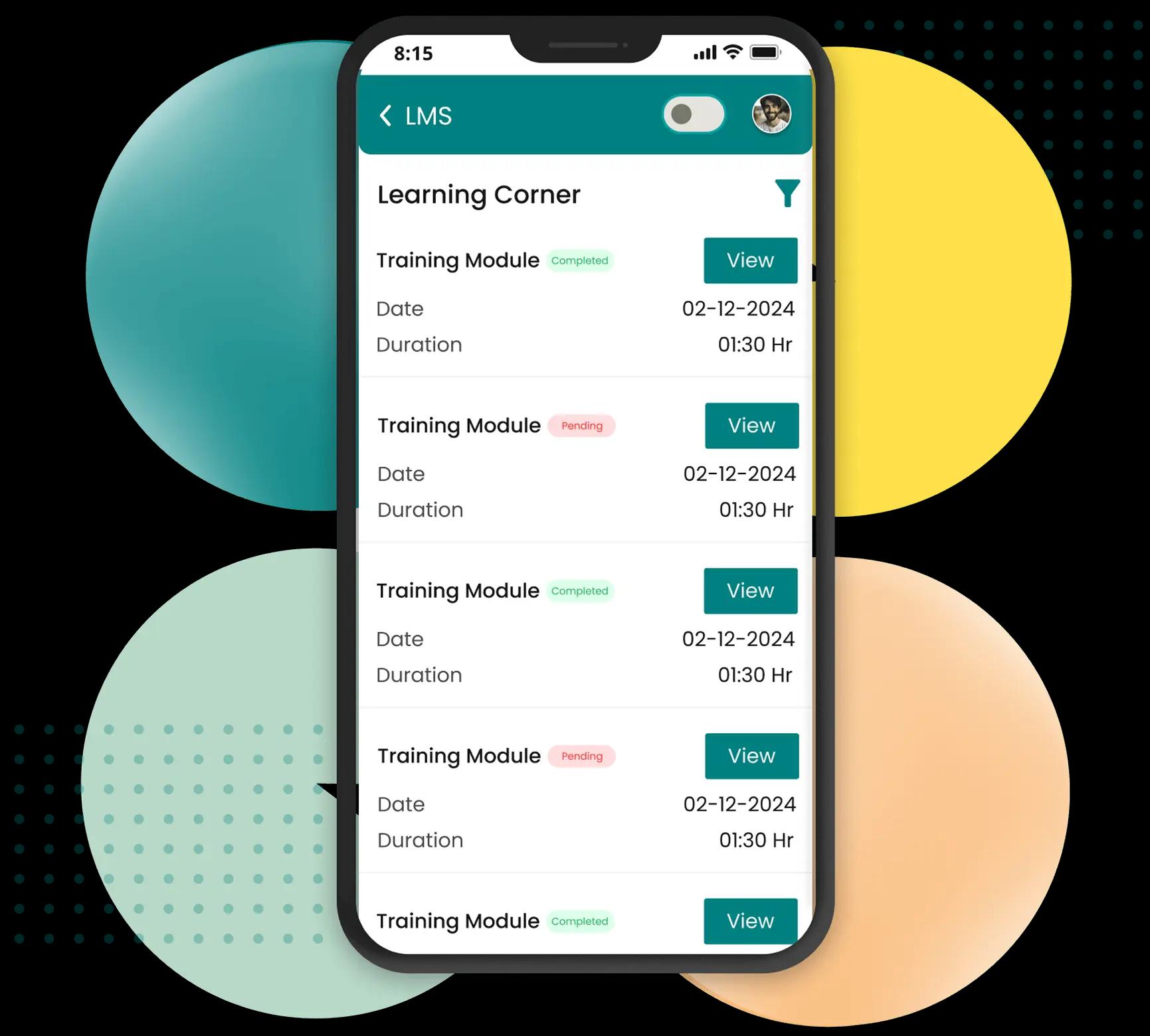
Training
- Safety, quality and product courses
- Quizzes for plant and dealership staff
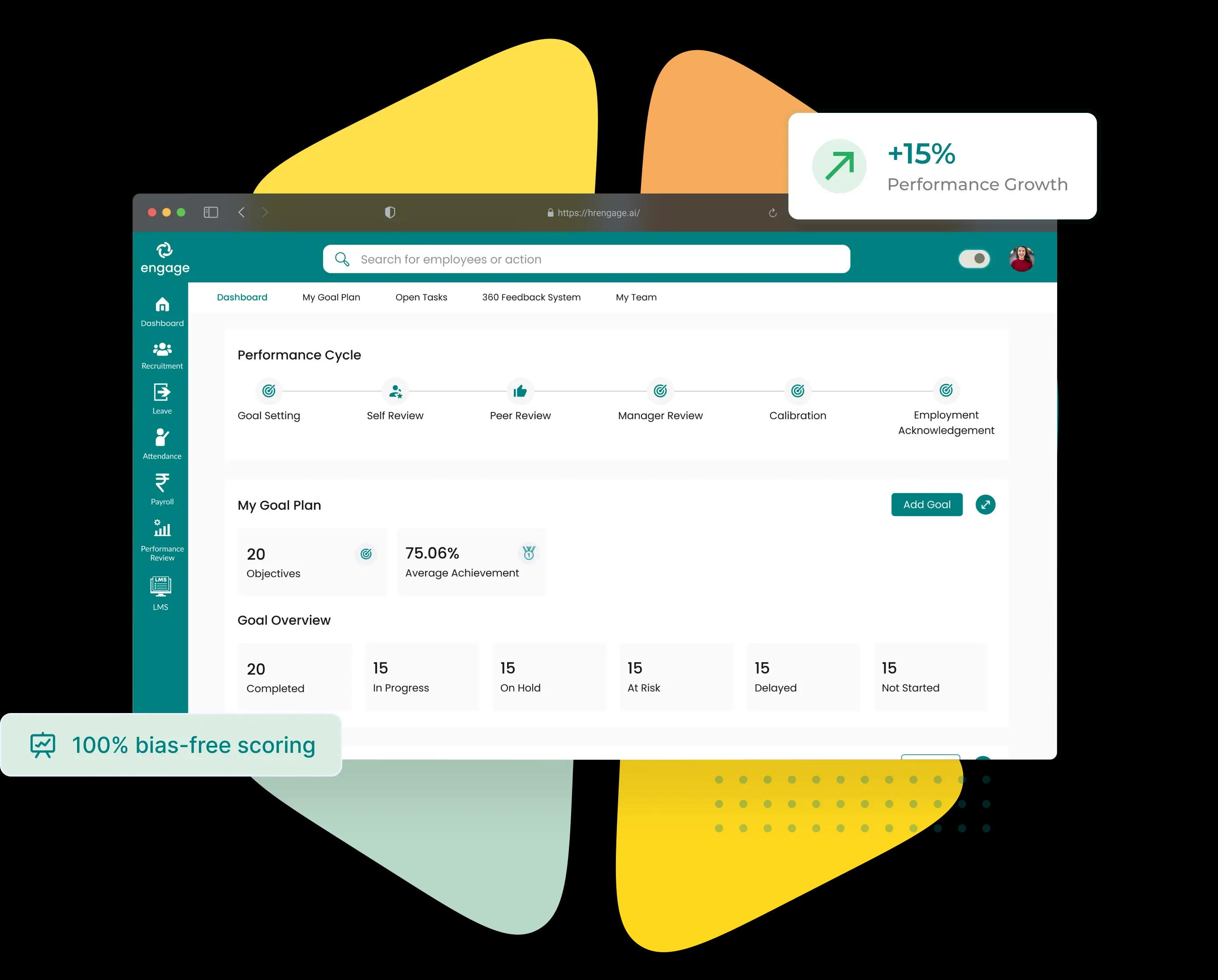
Performance
- Goals for sales targets and plant KPIs
- Configurable review cycles
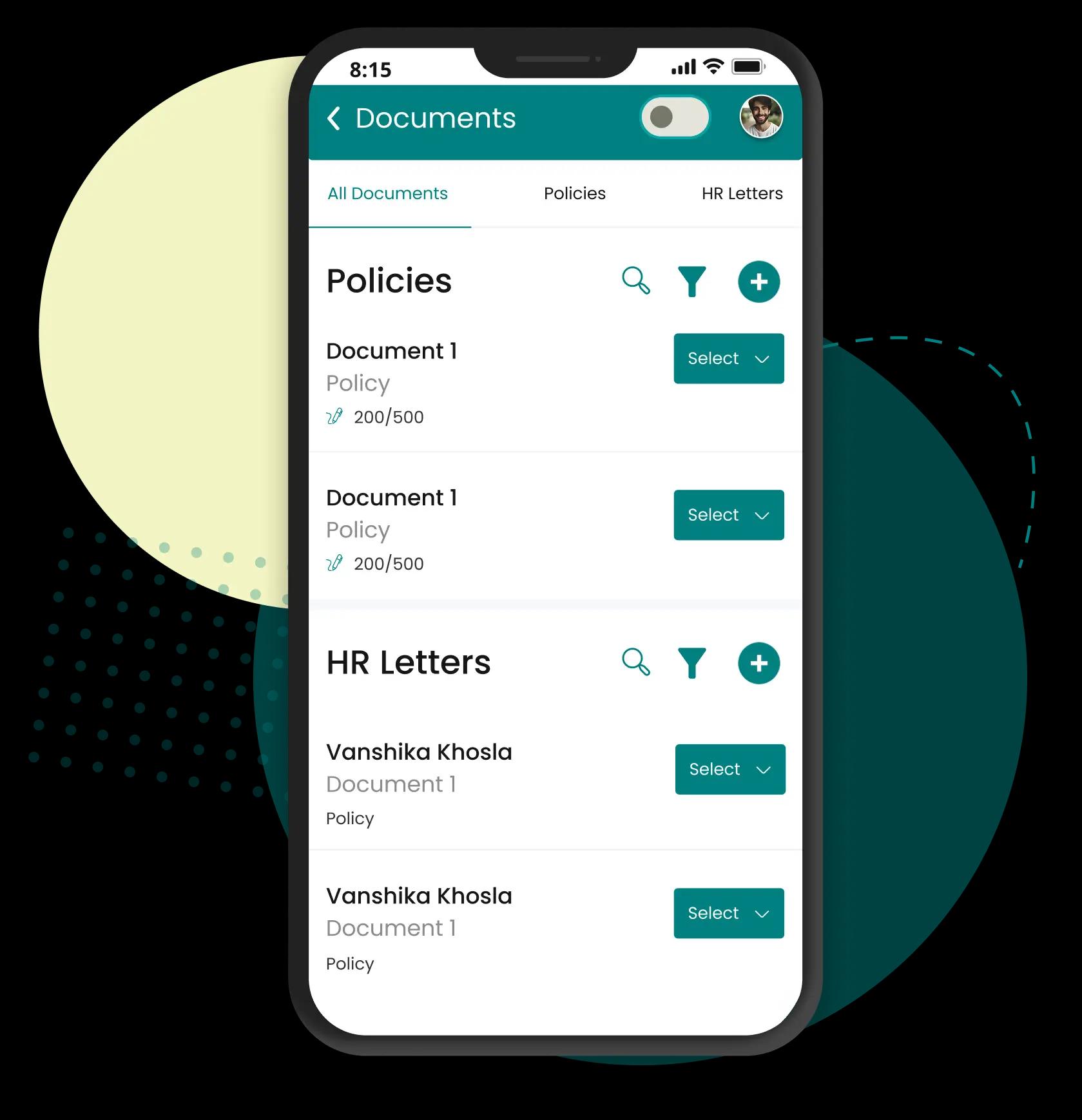
Core HR
- Employee records and documents
- ID cards and safety equipment as assets
- Multi-entity support for dealer groups
Automotive compliance at a glance
The rule column summarises the law. The right-hand column is what Engage does. State rules decide forms and rates.
| Obligation | What the law requires | Where Engage helps |
|---|---|---|
| Factory registration and registers | OSH Code: registration, registers of hours, overtime, leave and wages, electronic returns. | Attendance, overtime, leave and wage data per employee and plant, exportable for state register formats. |
| Apprentices | Apprentices Act, 1961: written contract, minimum stipend, trainee not worker. | Apprentices as their own category with stipend structures and contract records. |
| Contract labour | OSH Code: fifty or more contract workers; core activity bar with three exceptions; principal employer liable for welfare and unpaid wages. | Contract workers on the same attendance system, by contractor and line. |
| Overtime | Code on Wages: not less than twice the normal rate of wages. | Overtime from punch data, approved in-app and paid through payroll. |
| Statutory bonus | Code on Wages: 8.33 to 20 per cent of wages earned at twenty or more persons, within eight months of the year end. | Eligibility from days worked and bonus as its own payroll component. |
| Retrenchment | IR Code: notice, compensation at fifteen days' average pay per year, permission at three hundred workers, re-skilling fund. | Service history, last drawn wages and settlement calculations from the employee record. |
Statutory references are checked against the primary texts: Code on Wages, 2019, Occupational Safety, Health and Working Conditions Code, 2020 and Industrial Relations Code, 2020.
HR across the automotive value chain
Automotive and component plants are factories under the Occupational Safety, Health and Working Conditions Code, 2020, which repealed the Factories Act, 1948 on 21 November 2025. Dealerships and workshops are usually governed by state Shops and Establishments Acts. The Labour Codes apply across both for wages, overtime, PF, ESI, bonus and gratuity.
How should a plant manage apprentices?
The Apprentices Act, 1961 is still in force. Under section 18, an apprentice in a designated trade is a trainee and not a worker, which is why most labour law does not apply to them. A written contract of apprenticeship is mandatory, the stipend cannot fall below the prescribed minimum, and there is no automatic right to employment when training ends. The penalty provisions were replaced by the Jan Vishwas (Amendment of Provisions) Act, 2026 from 22 June 2026.
In Engage, apprentices can be set up as their own employee category with a stipend structure, their attendance captured with everyone else's, and their contract and training records stored on their file. The Apprentices Act glossary entry covers the detail.
Can contract labour work on the assembly line?
Section 57 of the OSH Code bars contract labour in an establishment's core activities, and assembling vehicles is the core activity of an automotive plant. Contract labour in a core activity is allowed only under one of three exceptions: the activity is ordinarily done through contractors, it does not need full-time workers for most of the day, or there is a sudden increase in volume that must be completed in a specified time. Support functions such as security, canteen, housekeeping and loading are excluded from core activity where the plant is not set up for them.
The contract labour provisions apply at fifty or more contract workers across all contractors on any day in the preceding twelve months. The principal employer owes welfare facilities directly and must pay wages the contractor fails to pay. The Labour Codes also recognise fixed-term employment with benefits on a proportionate basis, which is the alternative many plants now use for production peaks. The contract labour glossary entry explains the core activity test.
How do overtime and production peaks hit payroll?
Overtime during model launches and month-end dispatch is paid at not less than twice the normal rate of wages under the Code on Wages, and hour limits and ceilings come from the OSH Code and state rules. Engage computes overtime from punch data against the assigned shift, routes it for approval, and pays it in the same run as the rest of the month's wages.
How should dealership incentives be paid?
Pay them as a separate payroll component, and check the statutory wage rule before setting the mix. Incentives are excluded from the statutory definition of wages, but the Labour Codes add excluded components back where they exceed half of total remuneration. Dealership sales staff usually earn a fixed salary plus incentives on units sold, finance and insurance attached, and accessories, so an incentive-heavy structure raises the PF and gratuity base.
Engage pays incentives as a separate component uploaded each cycle, applies the statutory wage rule automatically, and shows fixed and variable pay separately on the payslip. A dealer group with showrooms in several states runs one payroll, with professional tax and LWF applied by each showroom's state.
What do you owe workers if a plant is restructured?
A retrenched worker with a year of continuous service is owed one month's notice or pay in lieu and fifteen days' average pay for each completed year. Retrenchment after a model changeover or plant consolidation is now governed by the Industrial Relations Code, 2020. Prior government permission is required at three hundred or more workers, and the employer contributes fifteen days' wages per retrenched worker to a re-skilling fund. The retrenchment glossary entry sets out the process.
What Engage HRMS customers say
Teams that moved attendance, leave and payroll onto Engage describe what changed.
Engage HRMS is an intuitive HR solution that automates HR, attendance, leave, and payroll processes for us. The team is always available for support and helped with custom solutions as per our organisation specific needs. We were highly satisfied with the service provided by their product
Neelansh
Director, Switcher
Frequently asked questions
Why do automotive companies need HRMS?

Does Engage HRMS support multi-shift operations?
Can Engage HRMS handle payroll for apprentices?
How does Engage HRMS manage contractor and third-party labour in automotive?
Can Engage HRMS handle multi-location dealership and plant HR?
Can contract workers be used on an automotive assembly line?